Fifteen Minutes on the Front Step: The Suburban Theatre You Can Walk To
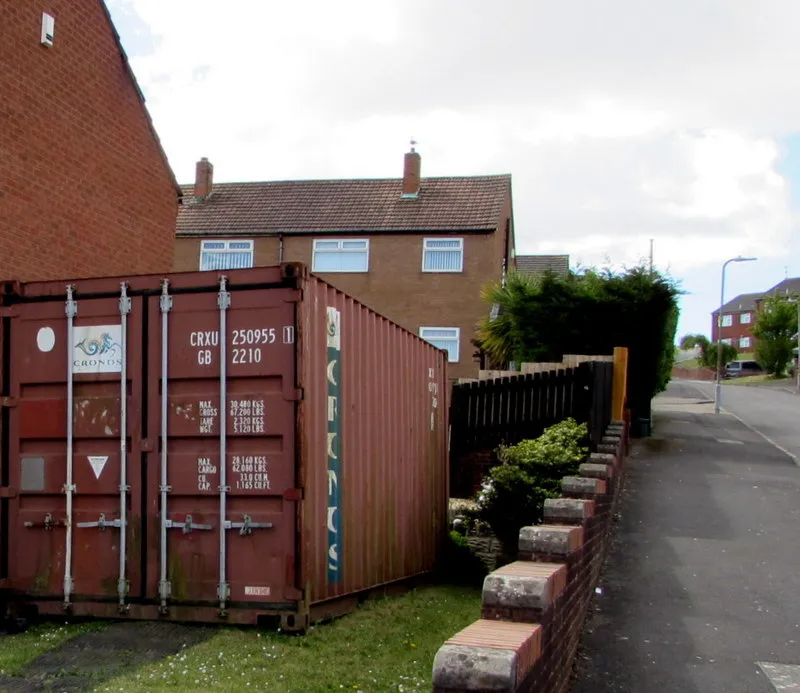
Photo: Jaggery , CC BY-SA 2.0, via Wikimedia Commons
There is a particular kind of British evening that begins with someone saying, “We’ve put some chairs out, if you fancy it.” No ticket. No foyer. No anxious scan of a QR code. Just a row of fold-out seats on a driveway, a neighbour holding a thermos, and a actor standing by a wheelie bin trying to remember their second line. Welcome to the front-garden theatre boom.
Across the UK this autumn, residential streets have been quietly turning into micro-theatreland. A lawn becomes a stage. A front step becomes a balcony. A garage door becomes a backdrop, or possibly a changing room, depending on how ambitious the director is feeling. The plays tend to last fifteen minutes. The audience tends to be somewhere between six and twenty people. And the whole thing tends to end with someone offering around a tin of biscuits while everyone pretends not to notice that it is starting to drizzle.
The fifteen-minute play is the point
What makes these shows work is not the production values. It is the scale. A fifteen-minute play can be written, rehearsed and performed by people with actual jobs, actual children and actual limits on how many evenings they can spend in a cold conservatory arguing about blocking. It can be watched by someone who popped out for milk and stayed for a monologue. It can be abandoned if the weather turns, or moved into the front room if the heavens properly open.
Writers seem to have embraced the constraint. You get two-handers about sibling rivalry conducted over a garden fence. You get solo pieces delivered from a deckchair. You get strange little comedies about parcel theft, loft conversions and the passive-aggressive politics of bin day. The writing is often rough around the edges in the way that local theatre can be — but it is also immediate, recognisable and frequently very funny about the small dramas of ordinary life.
A different kind of audience
Inside a proper theatre, you are an audience. On a driveway, you are a guest who happens to be watching. That changes everything. You can hear the neighbour’s telly through the wall. You can see the actor’s mum mouthing the lines from the third row. You can smell someone’s dinner. And when the play ends, there is no rush to beat the crowd to the Tube — just a slightly awkward but genuinely warm moment where everyone works out whether to clap, stand up, or ask where the loo is.
Organisers say the appeal is simple: it is culture without the faff. No booking fees, no travel chaos, no wondering whether you have paid £70 to watch a celebrity stand very still in a nice coat. These are shows you can walk to in slippers. They are also shows that make a street feel like a street again, rather than a row of separate front doors with separate Amazon deliveries.
Why it beats a West End night (for some)
Let’s be clear: nobody is suggesting that a fifteen-minute play on a driveway is going to replace a proper night at the theatre. Big productions have lights, sets, trained fight directors and seats that do not wobble. But there is something uniquely thrilling about hyperlocal performance. It is unrepeatable. It is slightly precarious. It is happening because a handful of people decided it should, not because a marketing department decided it would.
The West End offers polish. The front garden offers surprise. You might arrive expecting a gentle comedy about a wedding and end up watching a surreal two-hander about a sentient garden gnome. You might see your postman in the cast. You might be asked to hold a torch. The stakes are low, but the sense of occasion is oddly high — partly because everyone knows the whole thing is being held together with gaffer tape and good intentions.
How to catch one before the frost
These events are not usually listed on big ticketing sites. They spread through the channels that still work: WhatsApp groups, community noticeboards, the bakery window, a handwritten sign taped to a lamppost. Keep an eye on local library noticeboards and neighbourhood newsletters. If you hear about a front-garden show, say yes quickly — the capacity is often fewer than twenty and the weather window is short.
Go prepared. Bring a layer, because the temperature drops the moment the sun goes down. Bring a cushion if you are particular about your spine. Bring cash for the honesty tin, if there is one, and bring your best low-stakes enthusiasm. This is not the night to critique the pacing in a loud voice. It is the night to clap generously and genuinely, because someone has just performed a play six feet from their own front door.
If you fancy hosting
You do not need a garden. A wide pavement, a shared courtyard, a front step and a few willing neighbours will do. Start small: one short play, two actors, a handful of chairs. Tell the council if you think you need to — and definitely tell the neighbours who are not involved, so they do not assume the worst when a stranger starts shouting about inheritance in your front garden. Keep it short, keep it free, and have a wet-weather plan that involves the living room and a lot of squash.
The front-garden theatre boom is not really about theatre at all. It is about making something happen on your own street, with the people who are already there. It is about culture that fits around real life, rather than demanding you rearrange it. And it is about the small, delicious thrill of walking home in the dark after a show that lasted fifteen minutes and somehow made your whole week feel bigger.