Nine O’Clock, Four Paws, One Pub: The Night Walk That’s Quietly Outgrowing the Group Chat
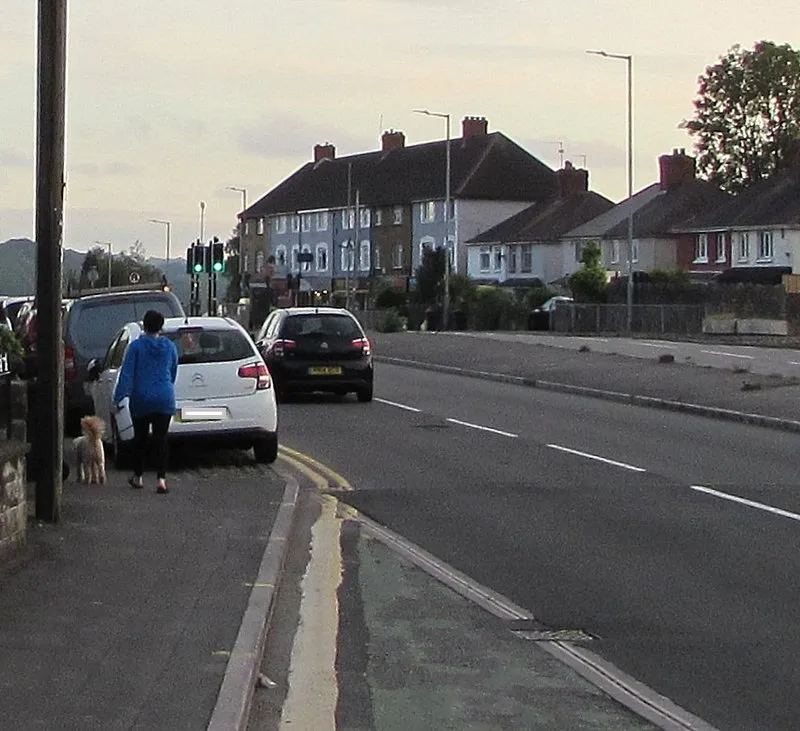
Photo: Jaggery , CC BY-SA 2.0, via Wikimedia Commons
At 9.04pm on a Tuesday, a text lands in a neighbourhood group chat: anyone out? No venue, no booking, no insistence that everyone bring a sharing platter. Twelve minutes later, four people and five dogs are standing under a street lamp comparing poo bags and pretending they are not delighted to see each other. It is not a club. It is not a meet-up. It is a walk, and somehow it is the most reliable social plan in Britain right now.
After-dark dog walking has become a quiet nightly ritual in suburbs, city centres and seaside towns. The ingredients are almost aggressively simple: a lead, a torch, a familiar loop and the vague promise of a pub if the weather behaves. But the effect is bigger than the sum of its parts. For people who claim to hate organised fun — the quizzes, the team-building, the dinner that needs a spreadsheet — this is socialising with the admin stripped out. The dog is the excuse. The pavement is the venue. And nobody has to host.
The suburban loop: cul-de-sacs, careful treats and a group chat that knows its place
The suburban walk is the one most likely to have a route ritual. A particular corner where the dogs pause. A hedge that gets sniffed with the seriousness of a coroner. A lamp-post that marks the halfway point and, in December, the unofficial switch-on of the festive jumpers.
Treat-sharing etiquette here is precise. You ask before you feed. You keep the biscuits small, boring and dog-appropriate. You do not offer a human’s sausage roll, however persuasive the eyes. Someone always has a spare poo bag and someone always pretends they do not need one. The walk is led by whoever remembered to charge the good torch, which is a temporary and mercifully unglamorous form of leadership.
The pub stop is optional but never accidental. It is usually the one with a water bowl by the door and a corner table where four muddy paws are tolerated. Nobody books. Nobody checks numbers. If you can make it, you go. If you cannot, the walk happens without you. That lack of obligation is not a flaw in the social plan; it is the entire feature.
The city-centre circuit: bollards, bus stops and the art of the moving chat
The city-centre version is shorter, sharper and more alert. Twenty minutes around the block, past the bin store and the bus stop, around the bollards and back up the hill. There are e-scooters to avoid, late-night takeaways to ignore and a surprising number of people who want to say hello to the dog and absolutely nothing to you. This is the walk’s secret weapon: it gives strangers permission to be briefly friendly without any follow-up.
Here the conversation moves because the bodies move. You do not have to sit opposite anyone and invent topics. You talk about the dog that barked at a pigeon, the new coffee place that closes too early, the fact that the council has still not fixed that pothole. It is small talk with a purpose, and the purpose is already on a lead.
The pub at the end is a nightcap, not a night out. One pint. Dog under the table. Home by ten. For people who find organised socialising exhausting, this is the Goldilocks version: enough company to feel human, enough built-in exit to avoid the long, yawning goodbye.
The coastal amble: tide-line timekeeping and the pub that knows the dogs’ names
The coastal walk runs on different rules. The tide is the clock. The promenade is the route. The ritual might be touching the same bench, staring at the sea for a minute longer than necessary and turning back before the wind gets ideas. In summer it is busy and bunting-bright; in November it is a torch-lit huddle of regulars and the occasional brave visitor.
Treat etiquette by the sea is mostly about resisting the chip shop. The dogs have read the menu with their eyes. You have read the vet’s advice with your brain. The compromise is a small biscuit and a lot of sympathetic nodding. The pub stop is the one with the foghorn outside and the water bowl that is refreshed before the human drinks are ordered. The dogs know the way. The humans pretend they do.
What all three walks share is a low tolerance for fuss. There is no name badge, no ice-breaker, no WhatsApp poll about dates. The dog does not check its calendar. The walk happens because it has to happen anyway. That is the quiet genius of it: the social plan is attached to a chore, so it survives the week.
Why the lead beats the group chat
The after-dark dog walk is not better than a good dinner party. It is better than the idea of a good dinner party on a wet Wednesday when everyone is tired and nobody wants to host. It asks almost nothing: turn up, hold a lead, be reasonably pleasant. It offers almost everything: fresh air, low-stakes company, a reason to leave the house that is not a screen.
For people who hate organised fun, the walk works because it is not organised. It is a habit. It has a route but no agenda. It has regulars but no membership. It has a pub stop but no pressure to stay. At 9pm, Britain’s pavements are quietly doing something the group chat cannot: making a plan that survives contact with real life.