The Tea Urn and the High Score: Britain's Community Halls Are Having an Arcade Moment
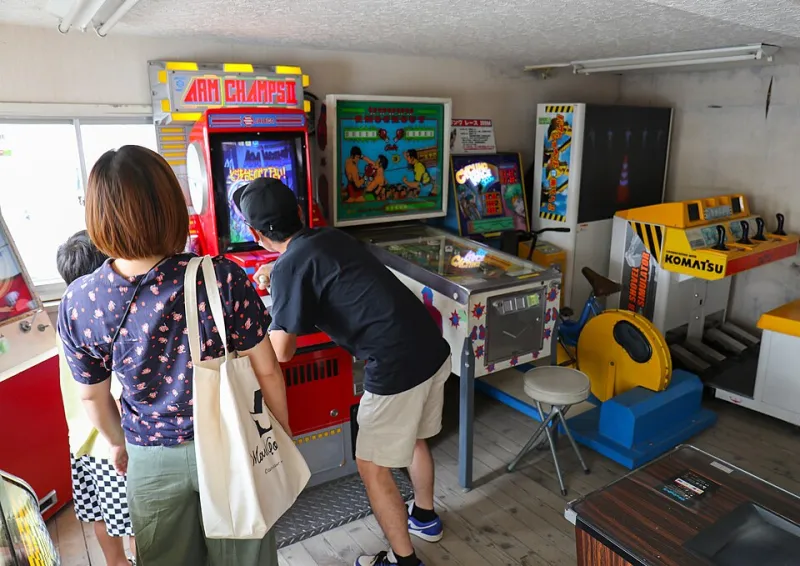
Photo: Sean Kimmons, U.S. Army Garrison Japan Public Affairs, Public domain, via Wikimedia Commons
On a damp Saturday in autumn 2026, the loudest thing in a village hall somewhere outside Norwich is not the raffle. It is the tinny, perfect blip of Pac-Man being chased around a maze by a 14-year-old while a 71-year-old called Margaret waits her turn with a pound coin and a cup of tea.
Welcome to the unlikely revival of the local arcade. Not the neon-and-sticky-carpet kind, and not the glossy esports events with commentary and branded energy drinks. This is the community-hall version: donated cabinets, patched-up screens, a tangle of extension leads, and a queue that somehow includes three generations of the same family.
Across the UK, volunteer organisers are turning parish halls, Scout huts and community centres into temporary arcades for an afternoon or an evening. The formula is simple. Borrow or repair a few machines. Put up a sign. Charge a few quid on the door, or 50p a go. Serve tea. Let the high-score table do the rest.
The cabinet in the corner
The scene is recognisable wherever you find it. A battered Street Fighter II cabinet hums in the corner. A CRT television has been drafted in for Mario Kart. Someone's dad is explaining the rules of Defender with the seriousness of a barrister. A teenager is showing a grandparent which button makes the little ship fire. A queue forms not because anyone is in a rush, but because waiting is part of the night.
Organisers describe the same starting point: a machine going spare, a hall that needs an income boost, and a suspicion that people might turn up if the price was low and the welcome was warm. One monthly session in south Manchester reportedly began with two cabinets and a notice in the window. It now fills the main room, with a side table for cake and a clipboard for the next volunteer rota.
The machines are rarely pristine. They are rescued from garages, Facebook Marketplace listings and closing-down pubs. Some are held together with patience and electrical tape. A few are on their last legs. That is part of the charm. Nobody expects a museum piece. They expect a joystick that works, a screen that glows, and someone nearby who knows how to fix a stuck coin slot.
How a village hall becomes an arcade
The logistics are more village fete than Silicon Valley. There are PAT tests to arrange, insurance to check, tables to shift and a parish council to reassure. There is also the small matter of storage. Cabinets are heavy, awkward and not naturally suited to a hall that hosts yoga on Tuesdays and a toddler group on Thursdays.
But the low-tech nature is exactly why it works. You do not need an app, a membership or a headset. You need cash, a chair and a willingness to lose in public. The best nights are not the most polished. They are the ones where the extension lead is taped down properly, the tea urn is on, and a child has been persuaded to let someone's nan have a go on Galaga.
There are house rules, though they are rarely written down. No hogging Street Fighter II. No explaining the controls unless asked. No high score without a witness. And absolutely no acting as if you are too cool for the dance mat in the corner, because the dance mat in the corner is where dignity goes to have a lovely time.
Why the queue is the point
The appeal is not pure nostalgia. Teenagers are discovering something tactile and immediate: a joystick that responds, a screen that does not ask for an update, a game that ends when you run out of lives. Parents get a brief return to the 1980s or 1990s without having to pretend they were better at it than they were. Grandparents get pattern recognition, a comfortable chair and the quiet satisfaction of beating a 12-year-old at something that does not involve a phone.
And that is the real draw. Not the games, exactly, but the shared room. Low-stakes competition beats another night on the sofa because it gives everyone something to talk about that is not the news, the weather or who forgot to put the bins out. You can be terrible at Space Invaders and still have a brilliant time. You can be brilliant at Tetris and still have to wait your turn.
It helps that the stakes are tiny. There is no streaming audience, no ranking system, no strangers typing opinions underneath your performance. You can lose loudly and nobody films it. You can win badly and everyone claps anyway. In a world of endless competitive scrolling, a 50p go on a battered cabinet feels almost radical.
The tea urn economy
Village halls have been quietly reinventing themselves for years, and arcade nights fit neatly into the new community economy. They bring people through the door, sell tea and cake, and give local families a reason to leave the house without spending £60 on a cinema trip. The raffle still happens. The noticeboard still advertises a pilates class. But the room has a different energy.
It is not a magic wand. Volunteer burnout is real. Storage is a headache. Noise complaints can happen. Not every hall is accessible, and not every organiser has the time to chase spare parts. The best nights are honest about their limits: they run monthly, not weekly; they ask for help; they keep the prices low.
The point is not to recreate some lost golden age of arcades. It is to make the hall feel like a living room with a scoreboard. The tea urn and the high-score table are doing the same job: keeping people in the room long enough to become a community.
The Shaza take
If you see a handwritten poster for a retro arcade night in a hall near you, go. Take cash. Take patience. Take a friend who claims to be unbeatable at Tetris. Arrive early enough to watch the first round of nervous button-pressing, and stay late enough for the moment someone's nan gets a personal best and the whole room applauds.
Britain's most unlikely entertainment venue might not have a neon sign or a licensed bar. It might just have a tea urn, a laminated scoresheet and a queue of people waiting to have a go. In 2026, that sounds like a very good night out.